
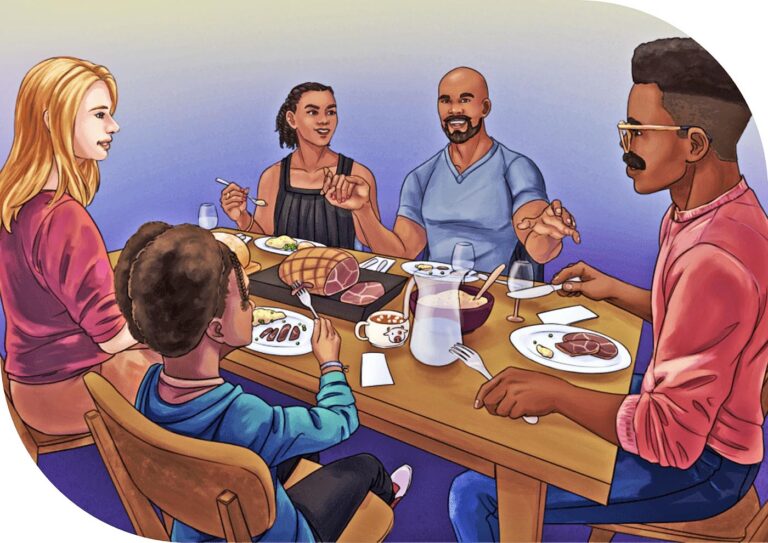
This tip sheet is for the friends and family of men who date trans women or trans feminine people*, to help them welcome trans women into your family or community.
Summary
- Supportive family & friends are an important part of all romantic relationships.
- Many trans women may have had previous negative experiences when meeting their partner’s family and friends, due to ignorance or transphobia.
- Men may also feel worried about how their friends and family are going to react.
- Let men know you support trans women, regardless of whether you know they are attracted to trans women or not.
- Be polite and make an effort to welcome trans women in your family.
“I do care about what my family and friends think. It’s important to me that I respect their opinion. So if I do bring someone into my life I want them to be respected and liked for who they are.” – JefferyMany trans women interviewed for this project shared the hurt that unwelcoming or abusive experiences caused them in their lives.
“My partner introduced me to his daughter and son and I would always tell him to invite his kids over for the weekend. I was there for three months but none of them turned up at our house. Then literally the moment I left, they all came over. That makes me think they’re not really people that are openly welcoming me. So yes, it’s a big fear, meeting family members.” – Eliza
“My partner became really distressed, as so many people in his community harassed him about hanging out with me. They asked him really sexually explicit questions or ‘why was I acting like a woman’ to shame and humiliate him. After that he said that we couldn’t be together anymore. Now I just feel really alone. I sometimes think about the relationship I could have had if people had instead said, ‘Oh, she’s really lovely. I’m happy for you.’” – ElectraMen may have similar worries about how their friends and family are going to react.
“I wonder what will people think about me as a person, will they still treat me the same, will I still be invited to things, will it still be the normal life that it’s always been or will life change completely based on the partner I choose. Yeah, I guess being unsure would be the main thing, uncertainty and fear of the unknown.” – KyleThese attitudes may prevent men from introducing their girlfriends to the people in their lives. They may feel judged or experience deep sadness if they feel their relationships are not celebrated or valued.
“I don’t feel if I brought my girlfriend back to Australia with me that my family would accept her as good as her family accepted me over there. It does make me sad. All I want is for her to be accepted, they should see she’s a beautiful person.” – IanMany of these unwelcoming or hostile interactions may be coming from a place of ignorance. They can also be driven by transphobic beliefs. Trans women and their partners might be worried about how they will respond to transphobia if it occurs when meeting friends and family.
“The main thing I’m worried about is transphobia. I am worried about how I am going to react. I am worried that I might try to suck up to the person, or that I’m going to close off and withdraw or I am going to get upset and my mouth will get dry. It’s just not a good look, it’s a big anxiety.” – JennSome trans women have experienced stigma, social exclusion and rejection more than once, and this can lead to them feeling distressed or highly anxious about meeting family or friends. These feelings are valid and come from real individual experiences or the broader experiences within the trans community.
Being a supportive friend or family member
“My workplace is really supportive. Once a girlfriend of mine came to meet me at work for lunch, and everyone in the office wanted to meet her. I’d sort of broached the subject before just casually, dropping subtle hints that I’m dating a trans person. That was good for my confidence. I suppose they helped me through my hurdles, my doubts, when that acceptance was there.” – Andy
When friends and family members are proactively supportive of relationships between trans women and cisgender men, they are much more likely to feel welcome and their relationships are more likely to flourish.
“Invite us to family events or invite us on family holidays. Just see us as normal human beings, like anybody else.” – Azaleya
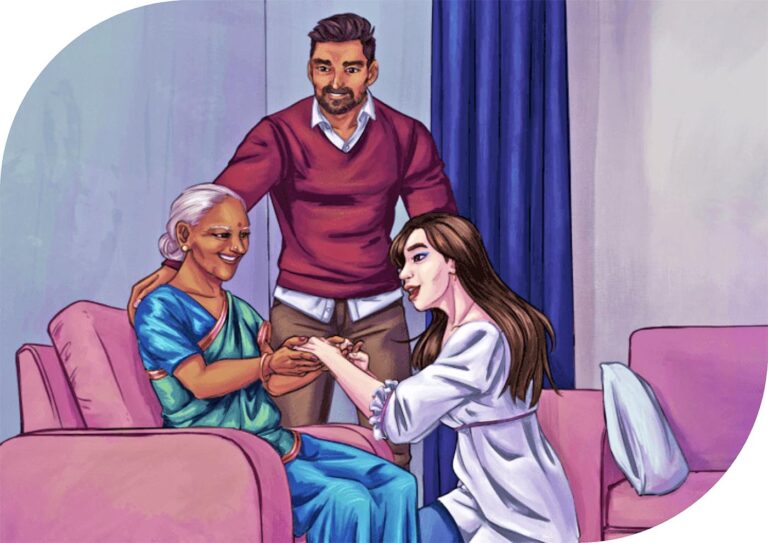
Tip: Here are some ways you can be proactively supportive.
- Share your excitement about their relationship
- Show interest in her hobbies, work and broader life (questions you would ask of any new person)
- Invite them to family events, dinners or holidays
- Attend public events, parties and celebrations together to show your support and inclusion of them as a couple
- Include them to group text chats
- If they are being excluded from other events, set-up your own events and invite them
- Learn more about transgender culture, art and history in your own time
- Support trans rights
- Share resources like this with other people to help them be more welcoming and supportive.
“Most of my friends and family responded by saying, ‘I’m so happy for you and I can’t wait to meet her.’ It made me feel so loved.” – Jay
Tip: If you notice either party is nervous, gently acknowledge it and let them know that you are supportive. You can ask what might help them to feel more comfortable, or offer a private chat whenever they need one.
“Create a space where you can say; ‘Hey, I love you unconditionally. I support you, if you ever need someone to chat to the door’s open.’ Therefore it doesn’t need to be awkward, invasive or too full on, but if you want to have a conversation I’m here for you, if you need any support I’m here for you.” – Seven
Confidentiality
“One of the best things your mates can do for you is say, ‘I’m not going to tell anyone, if you tell people that’s your business, but it’s not going to come from me.’ I remember one mate saying, ‘It will be hard to keep from my partner but you know I’m not going to say anything.’” – Jeffery
Respecting people’s confidentiality is critical. In particular, sharing someone’s trans or gender diverse identity or experience without explicit consent can cause significant harm and is abuse. This also applies when men disclose that they are in a relationship with a trans or gender diverse person.
For example, you might say:
“Hey, that’s not ok. Did you realise that sharing that information without their permission can be really harmful? That information might be confidential and you could be outing them. I think we should respect their privacy.”
“Did you get permission to share that? I just wanted to check in with you as sharing that information without their permission could potentially create problems for them if they are keeping that private. I think we need to be really respectful and thoughtful.”
If someone shares information about their or their partners trans identity or experience with you, it means there is trust and respect in your relationship. Even if this is something new to you, it is important that you show that you care and that you are there for them.
“My ultimate response was, ‘Thanks for telling me. Thanks for having the trust in me.’” – Jeffery
If you need further advice on how to respond to discrimination or need some emotional support and you’re in Australia, visit our supports page.
Tip sheets for family & friends:
* “Men” in this resource refers to cisgender men. “Trans women” refers to trans women, trans feminine people, women who have a trans and gender diverse history or experience, but do not identify as transgender – and other trans feminine culturally-specific identities such as Sistergirls, Fa’afafine and Kinner.